Details
Expert Committee

Biomaterials

Materials in contact with biological systems.

Exchange on biomaterials, their interfaces, and their use in medicine.
Members222
Founded2006
UnitDGM e.V.

Chair

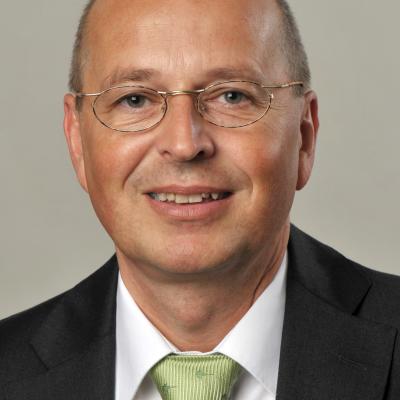
  • Univ.-Prof. Dr. Klaus D. Jandt

    Univ.-Prof. Dr. Klaus D. Jandt

    Friedrich Schiller University Jena

    CV

Vice Chair

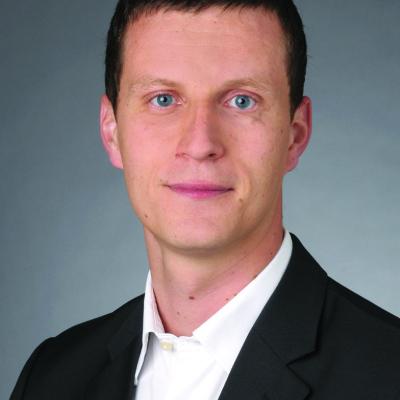
  • Dipl.-Ing. Norman Stark

    Dipl.-Ing. Norman Stark

    Straub Medical AG

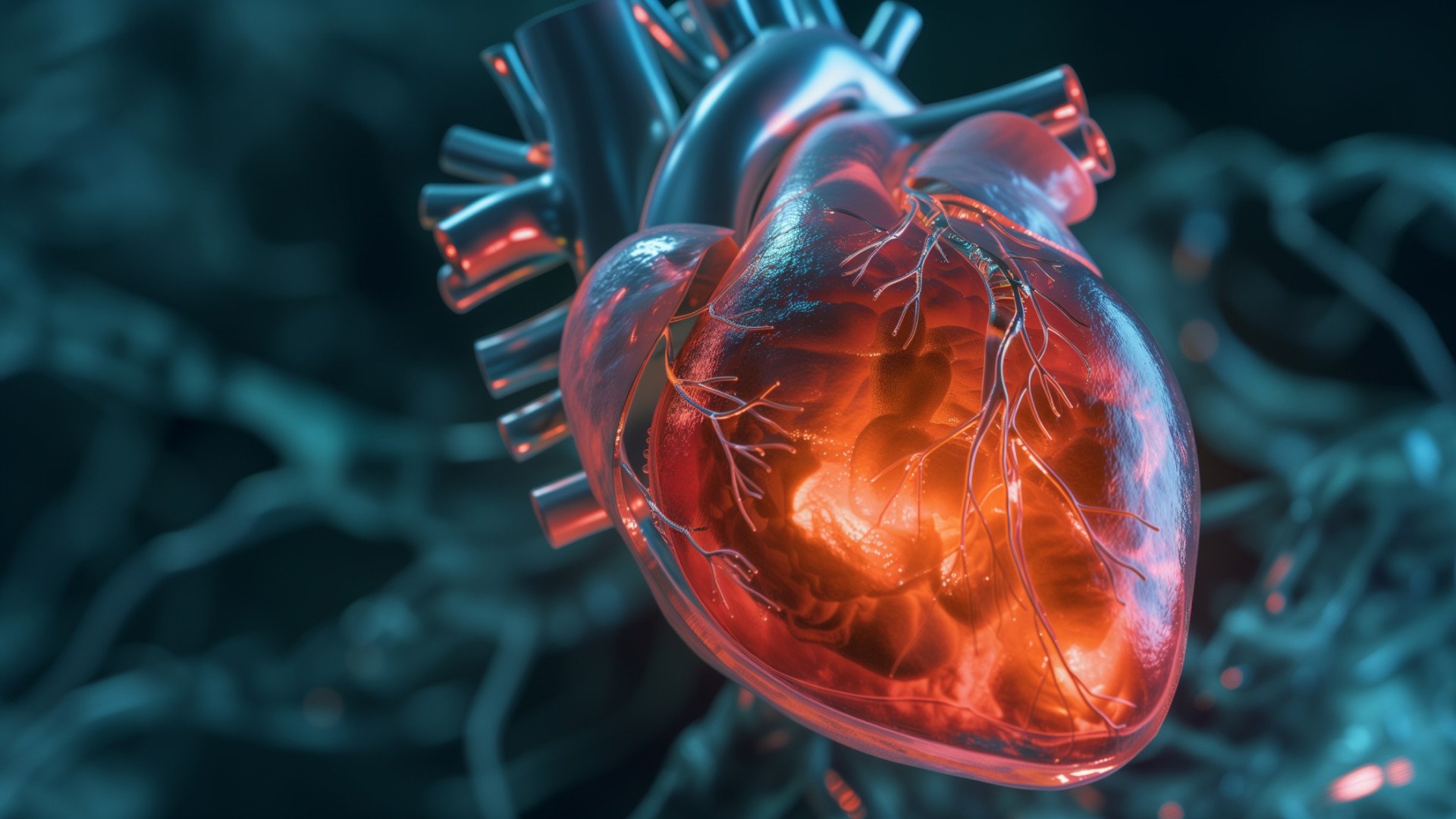
The Expert Committee Biomaterials connects basic research and industrial development for materials that come into contact with biological systems. Its focus is on materials for medicine and on the questions arising from their interaction with the body.

Through its Working Groups, the committee coordinates exchange among experts. Topics include bioinspired, degradable, and antimicrobial biomaterials, dental materials, interfaces, tissue engineering, as well as certification, regulatory approval, standardization, and legal matters.

01 · Technical focus areas

Topics at a glance

Biological performance

Material and biological system

Properties arise at the interface between material and body.

The committee discusses how material properties in interaction with biological systems can be described on a scientific basis, with particular attention to biological performance and biocompatibility.

Material concepts

Bioinspired and degradable materials

Material concepts depend on function, application, and interaction.

Working Groups address bioinspired, degradable, and antimicrobial biomaterials as well as dental materials.

Tissue and interfaces

Tissue engineering

Tissue reconstruction requires an understanding of material and its environment.

Interfaces and tissue engineering are among the committee’s priority areas. Biomaterials have a central role in the artificial reconstruction of tissue.

Regulation and quality

Regulatory approval and standardization

Certification, regulatory approval, standardization, and legal matters shape the use of biomaterials.

Technical questions include certification, regulatory approval, standardization, and legal aspects arising from the use of biomaterials.

02 · Research and development

Addressing shared questions

The committee brings together scientific, technical, and economic questions relating to biomaterials. It focuses on materials with interfaces to biological systems and their application in medicine.

Its objectives include initiating research and development activities, particularly joint projects involving universities, research institutes, and industry. The exchange of experience between Working Groups provides a technical basis for this work and supports networking in the field of biomaterials.

03 · Networking

Exchange and continuing education

Working Groups

Connecting experts

Working Groups coordinate exchange on current questions in biomaterials.

Through its Working Groups, the committee enables the exchange of experience among experts active in the field of biomaterials.

Events

Euro BioMat and continuing education

Formats provide information on new developments and bring the field together.

Among other activities, the committee organizes the international “Euro BioMat” conference every two years and the continuing education course “Biomaterials: Materials in Medicine”.

Materials in contact with the body

Biomaterials are used, for example, in hip prostheses, vascular prostheses, joint replacements, and dental fillings. Metals, ceramics, polymers, and composite materials can interact with the body’s cells. They also have a central role in the artificial reconstruction of tissue in tissue engineering.

Outside medicine, biomaterials are found, for example, in antimicrobial and antiviral materials for transport systems and food packaging.

Understanding and controlling properties

The fundamental processes at the interface between biomaterial and body require further understanding and reliable control in practice. This includes the service life of implants, the reduction of infections at material interfaces, and product safety and quality control.

The transfer of bioinspired concepts to implants and manufacturing techniques such as 3D printing are also relevant to developing new solutions.